Solar-Generator Hybrid Systems: The Future of Affordable Power in Nigeria
As the cost of petrol and diesel continues to fluctuate in 2026, Nigerian homeowners and business owners are seeking more sustainable ways to stay powered. Solar-Generator Hybrid Systems represent the ultimate evolution in energy independence. By combining the immediate “kick” of a petrol or diesel generator with the long-term, free energy provided by the sun, these systems offer a middle ground that reduces fuel costs by as much as 70% without requiring the massive upfront investment of a 100% off-grid solar setup.
1. How Hybridization Works in the Nigerian Context
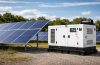
A hybrid system is defined by its ability to “blend” power. In a traditional setup, you either use PHCN (grid) or you turn on your generator. In Solar-Generator Hybrid Systems, a smart hybrid inverter manages three or four sources simultaneously: Solar panels, Battery storage, the Grid, and your Generator.
During a typical Nigerian afternoon, the sun provides the bulk of the power. If a heavy cloud passes over or you turn on a 1.5HP AC, the system doesn’t immediately switch to the generator. Instead, it “borrows” the extra bit of power needed from your batteries. The generator only kicks in as a last resort—usually at night if the batteries are low or during several days of heavy rain. This intelligent priority management is what makes hybridization so effective for the local market.
2. The Hardware: Inverters, Panels, and Batteries
To build a reliable hybrid setup, three components must work in perfect harmony:
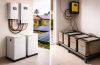
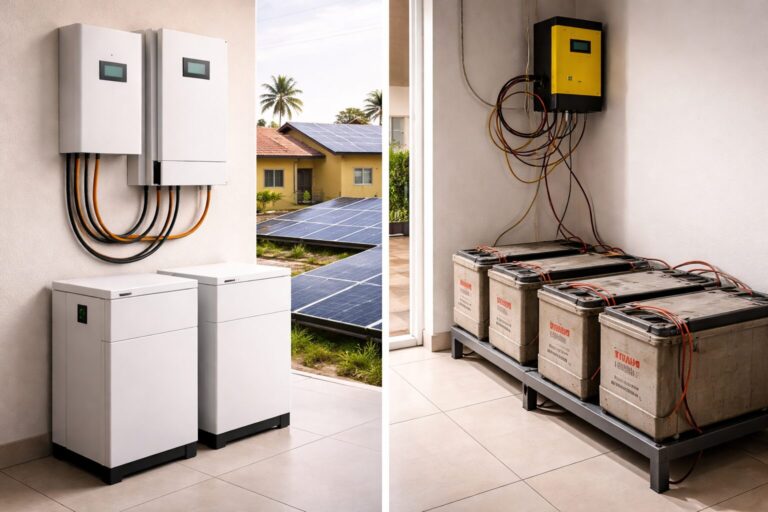
- The Hybrid Inverter: Unlike standard inverters, these units (brands like Sunsynk, Deye, or Victron) have a built-in “Generator Input.” They can start and stop your generator automatically based on the battery’s state of charge.
- N-Type Solar Panels: In 2026, N-Type technology has become the standard in Nigeria. These panels are more efficient in high temperatures and perform better during the hazy Harmattan months than older models.
- LiFePO4 Batteries: Lithium Iron Phosphate batteries have replaced lead-acid and tubular batteries for hybrid setups. They charge faster and can be discharged to 90% without damage, which is essential when relying on solar to replace generator run-time.
3. The 3-Way Savings: Fuel, Maintenance, and Quiet
The primary reason Nigerians are switching to Solar-Generator Hybrid Systems is the dramatic reduction in operational costs. When your generator only runs for 2 hours a day instead of 10, your fuel bill drops significantly. Furthermore, your generator’s engine oil stays clean longer, and the mechanical parts experience less wear and tear, extending the time between major overhauls from 2 years to 5 or even 7 years.
There is also a “quality of life” benefit. The silence of solar power during the evening allows for better sleep and a more peaceful environment, reserving the loud generator noise for short periods of high-demand tasks like pumping water or doing laundry.
4. 2026 Price Breakdown and ROI
As of early 2026, the cost of a complete hybrid kit has become more accessible through modular options. A “Starter” 3.5KVA hybrid system typically costs between ₦1.1M and ₦1.4M. For a standard 3-bedroom home requiring a 5KVA setup with lithium storage, budgets range from ₦1.7M to ₦2.2M.
While this seems high, the Return on Investment (ROI) is faster than ever. If you currently spend ₦120,000 monthly on fuel and maintenance, a ₦2M system pays for itself in roughly 18 months. After that, your electricity is virtually free for the next 20+ years.
5. How to Add Solar to Your Current Generator
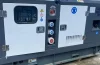
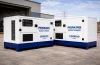
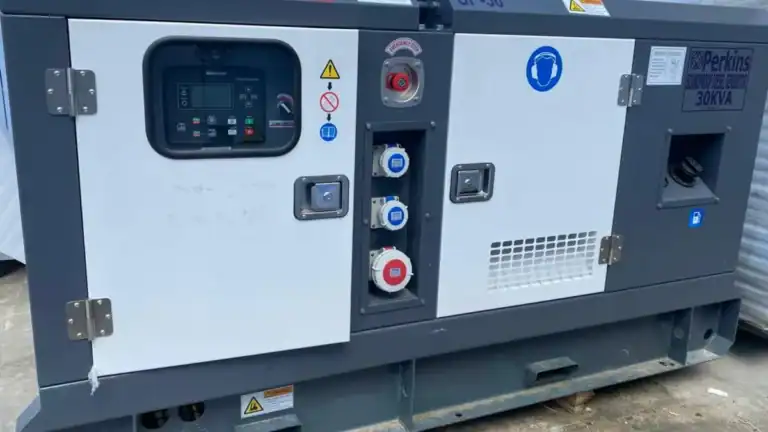
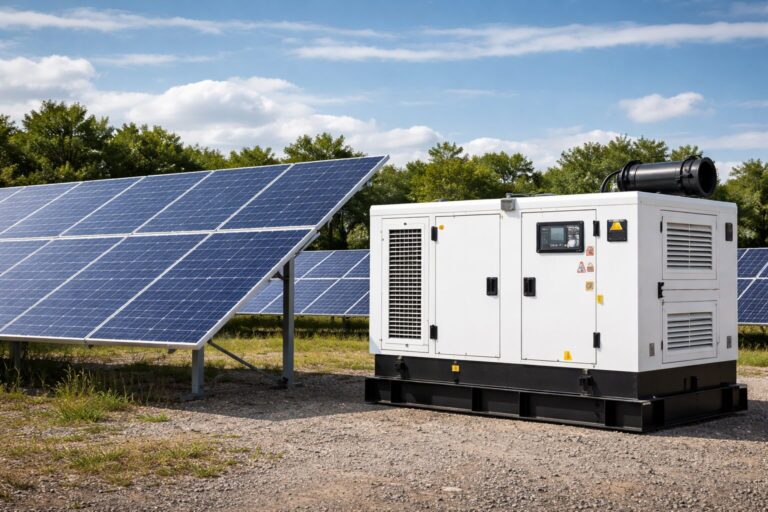
You don’t need to throw away your current generator to go solar. Most Solar-Generator Hybrid Systems are designed to be “retrofitted.” You simply replace your old manual changeover or standard inverter with a Smart Hybrid Inverter. Your existing generator is then wired into the inverter’s AC-Input. The inverter then treats the generator as a “backup battery charger,” only calling for it when the sun and batteries cannot meet the demand.
6. Maintenance Checklist for Hybrid Users
Because these systems have fewer moving parts than generators, maintenance is much simpler but still necessary:
| Component | Maintenance Task | Frequency |
|---|---|---|
| Solar Panels | Wipe down with water to remove dust/bird droppings. | Monthly (Weekly in Harmattan) |
| Hybrid Inverter | Check cooling fans for dust; update firmware via Wi-Fi app. | Quarterly |
| Lithium Battery | Visual check of cable tightness and BMS health lights. | Every 6 Months |
| Backup Gen | Standard Maintenance for Optimal Performance. | Based on hours used |
In conclusion, Solar-Generator Hybrid Systems provide the most resilient power architecture for the modern Nigerian economy. They offer the reliability of a generator with the incredible cost-savings of solar, ensuring that your home or business is never left without power, regardless of grid stability or fuel prices.
Ready to Slash Your Fuel Bill?
Our solar engineers can audit your current generator setup and show you exactly how much you can save with a hybrid upgrade.
Request a Hybrid System Quote