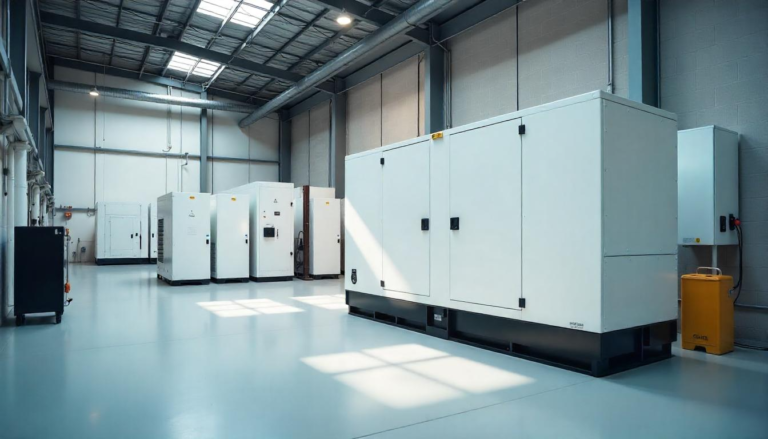
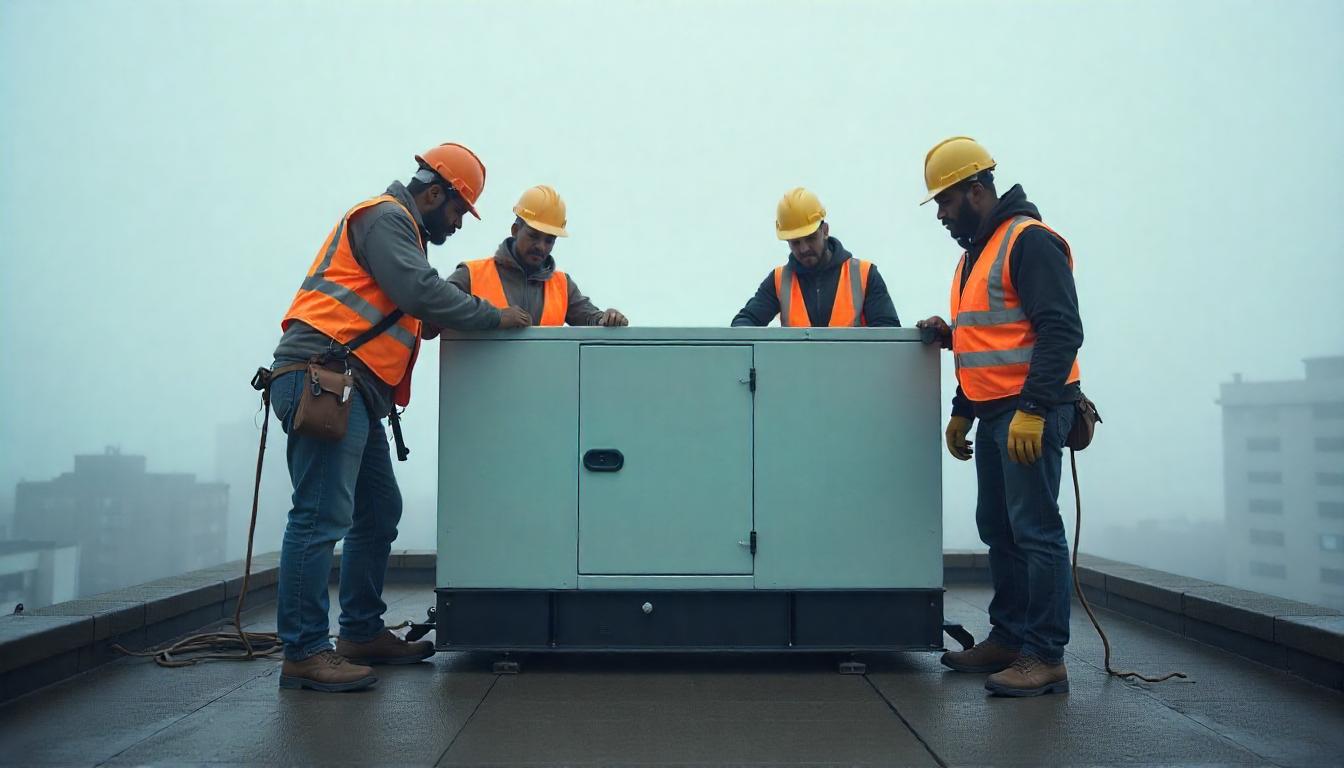
Choosing the Right Generator Size.Professional assessment ensures optimal generator performance in Nigerian conditions
Choosing the right generator size is the most critical power decision Nigerian homeowners and businesses face today. With electricity costs rising and grid reliability remaining a challenge, proper sizing can prevent ₦75,000+ in monthly fuel waste. This comprehensive 2026 guide provides the framework you need for optimal generator selection—whether you’re powering a Lagos apartment, Abuja office, or Port Harcourt workshop.

Incorrect sizing leads to significant financial losses in Nigerian operations
In Nigeria’s evolving energy landscape, generator capacity selection has become a critical financial decision affecting both operational costs and equipment longevity. An oversized unit doesn’t just waste fuel—it operates inefficiently at low loads, experiences “wet stacking” that accelerates wear, and produces unnecessary emissions. Conversely, an undersized generator struggles under excessive load, damages appliances through voltage fluctuations, and fails during extended power outages when you need it most.
Related: Read our companion guide on Generator Fuel Efficiency in Nigeria to maximize your energy investment.
The 2026 reality for Nigerian power users includes evolving environmental regulations, improved technologies, and changing load patterns. Businesses must consider ESG factors in power decisions, while homeowners face rising costs that make efficiency paramount. Optimal sizing balances immediate needs with long-term operational costs, maintenance requirements, and regulatory compliance.
2026 Insight: Proper generator sizing for Nigerian conditions can reduce operational costs by 40-50% compared to common guesswork approaches. Correctly sized modern units achieve better fuel efficiency, longer lifespan, and significantly lower maintenance expenses.
Generator technology and industry standards have evolved significantly, making it essential to understand current specifications for informed decisions.
Technical Guide: Review our detailed explanation on Understanding Generator Specifications in Nigeria for comprehensive technical details.
Always calculate based on kW (usable power), not kVA (marketing number)
That “10kVA” generator at the market provides only ~8kW of usable power. If your load needs 9kW, you’ve selected insufficient capacity.
Regulatory Reference: The Standards Organization of Nigeria (SON) provides updated generator performance standards that affect sizing recommendations.
The foundation of optimal generator selection is understanding your actual power requirements with local-specific considerations.

Accurate power audit ensures correct capacity selection
| Appliance/Equipment | Running Wattage | Starting Surge | Nigerian Considerations |
|---|---|---|---|
| LED Lighting (Modern) | 3-10W per fixture | Same | Switch from incandescent saves 500W+ instantly |
| Inverter Air Conditioner (1.5HP) | 800-1000W | 1200-1800W | Lower surge than conventional ACs |
| Modern Refrigerator (250L) | 120-200W | 600-900W | Frequent cycling affects sizing |
| Desktop Computer Setup | 200-350W | 500-700W | Essential for home offices/businesses |
| 0.5HP Water Pump | 400W | 1200-1500W | High surge, common in Nigerian homes |
| Electric Kettle | 1500-2200W | Same | Major but short-duration load |
| Television & Entertainment | 50-150W | Same | LED TVs consume significantly less |
Follow this exact sequence to determine optimal generator size for your Nigerian property.
Step 1: Total Running Wattage = SUM of all running wattages for simultaneous operation
Step 2: Add Largest Motor Surge = (Starting wattage of largest motor – Its running wattage)
Step 3: Apply Nigerian Safety Margin = [Step 1 + Step 2] × 1.25 (25% contingency)
Step 4: Convert to Kilowatts = Total Wattage ÷ 1000
Step 5: Convert to Generator kVA = Required kW ÷ 0.8
Free Tool: Use our interactive capacity calculator designed specifically for Nigerian conditions.
Result: This household needs approximately 5.5kVA capacity. Purchasing a common 3.5kVA “I better pass my neighbour” would cause constant overloading, while an 8kVA unit would waste significant fuel through inefficient low-load operation.
Beyond basic calculations, these factors ensure optimal generator performance for long-term satisfaction.

Advanced load management extends equipment life and improves efficiency
Client: Medium-sized manufacturing company in Ogun State
Initial Problem: Using 40kVA generator for 22kW actual load (55% oversized)
While this guide provides essential knowledge, professional assessment ensures optimal outcomes for your specific Nigerian situation.
At Titanium Power Solutions, we specialize in helping Nigerian clients achieve optimal generator performance through:
Explore Services: Review our professional assessment service or browse our generator selection for Nigerian conditions.
Call/WhatsApp: +2349067441287
Email: info@titaniumpowersolutions.com
📍 Professional Consultation: Available nationwide
Free Resources: